



About Us
Artificial Intelligence: Shaping the Future of Technology

Artificial Intelligence (AI) has become one of the most transformative technologies of the 21st century. It refers to the ability of machines to simulate human intelligence, enabling them to perform tasks such as decision-making, problem-solving, learning, and language understanding. From smartphones to healthcare systems, AI is reshaping every aspect of human life.
What is Artificial Intelligence (AI)?
Artificial Intelligence is a branch of computer science that focuses on creating systems capable of mimicking human cognitive functions. These systems are designed to analyze data, recognize patterns, adapt to changes, and even make predictions. AI can be divided into two main categories:
-
Narrow AI: Performs specific tasks like voice assistants or chatbots.
-
General AI: Aims to replicate human-level intelligence across multiple domains, though it is still a theoretical concept.
History and Evolution of Artificial Intelligence AI
The concept of AI dates back to the mid-20th century. In 1956, the Dartmouth Conference marked the official beginning of AI research. Over time, advancements in computing power, algorithms, and data availability have fueled rapid progress. Today, AI applications are more powerful and accessible than ever before.
Applications of Artificial Intelligence AI
to visit our home page1 : click here
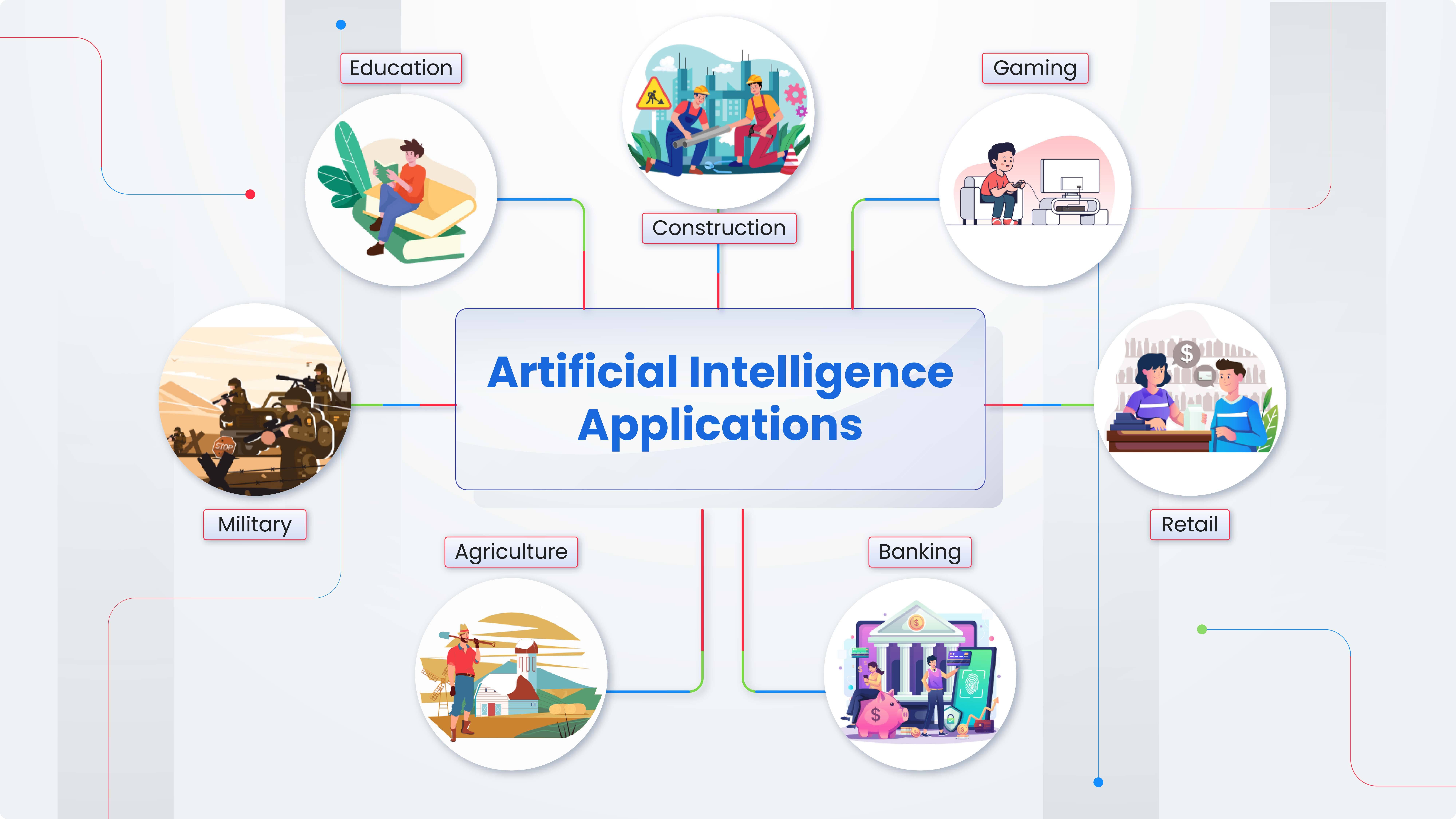
AI is being widely used in various fields, including:
-
Healthcare: Diagnosis assistance, robotic surgery, and drug development.
-
Education: Personalized learning and intelligent tutoring systems.
-
Business: Predictive analytics, customer service chatbots, and automation.
-
Transportation: Self-driving cars and traffic management systems.
-
Everyday Life: Virtual assistants like Siri, Alexa, and Google Assistant.
Benefits of Artificial Intelligence AI
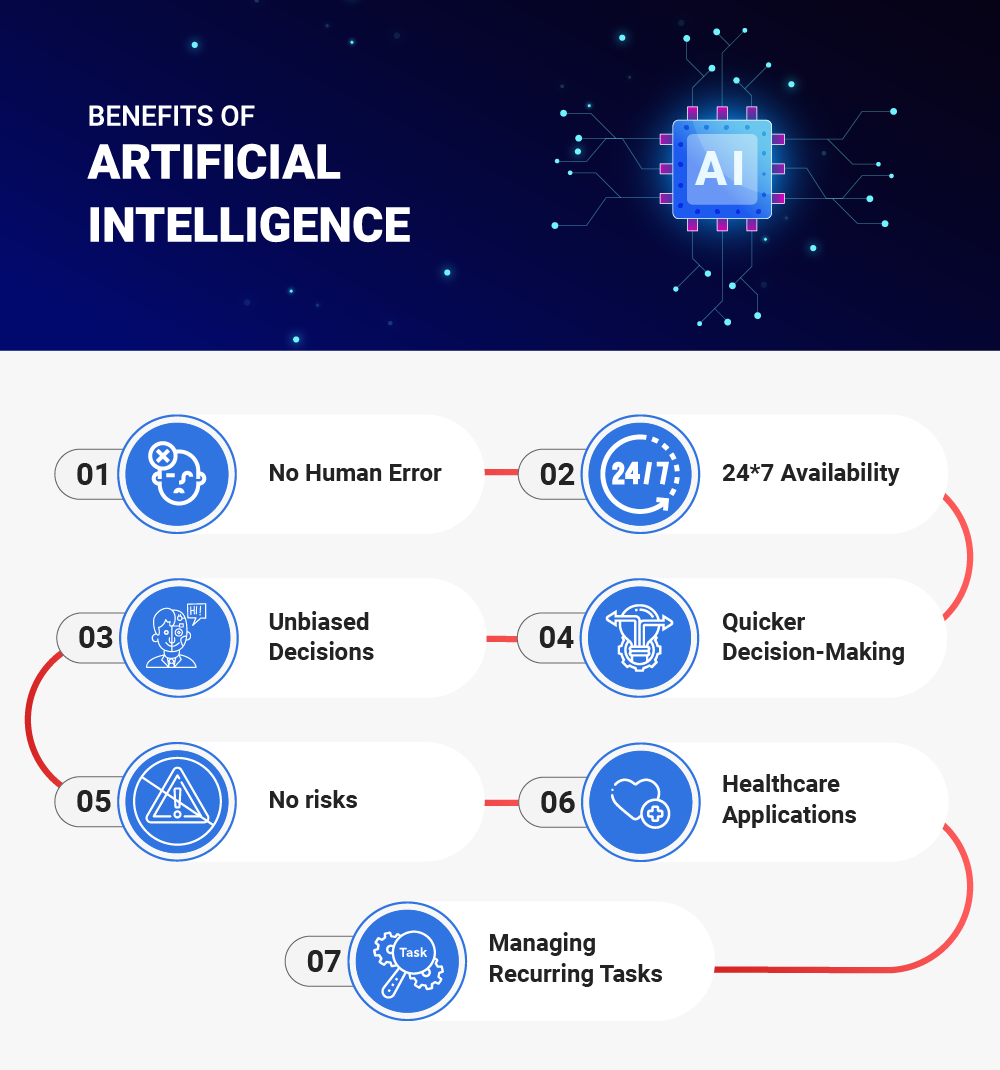
Artificial Intelligence offers numerous benefits such as:
-
Increased efficiency and productivity.
-
Reduction in human error.
-
Faster decision-making.
-
Availability of services 24/7.
-
Support for innovation in science and technology.
Risks and Challenges of AI
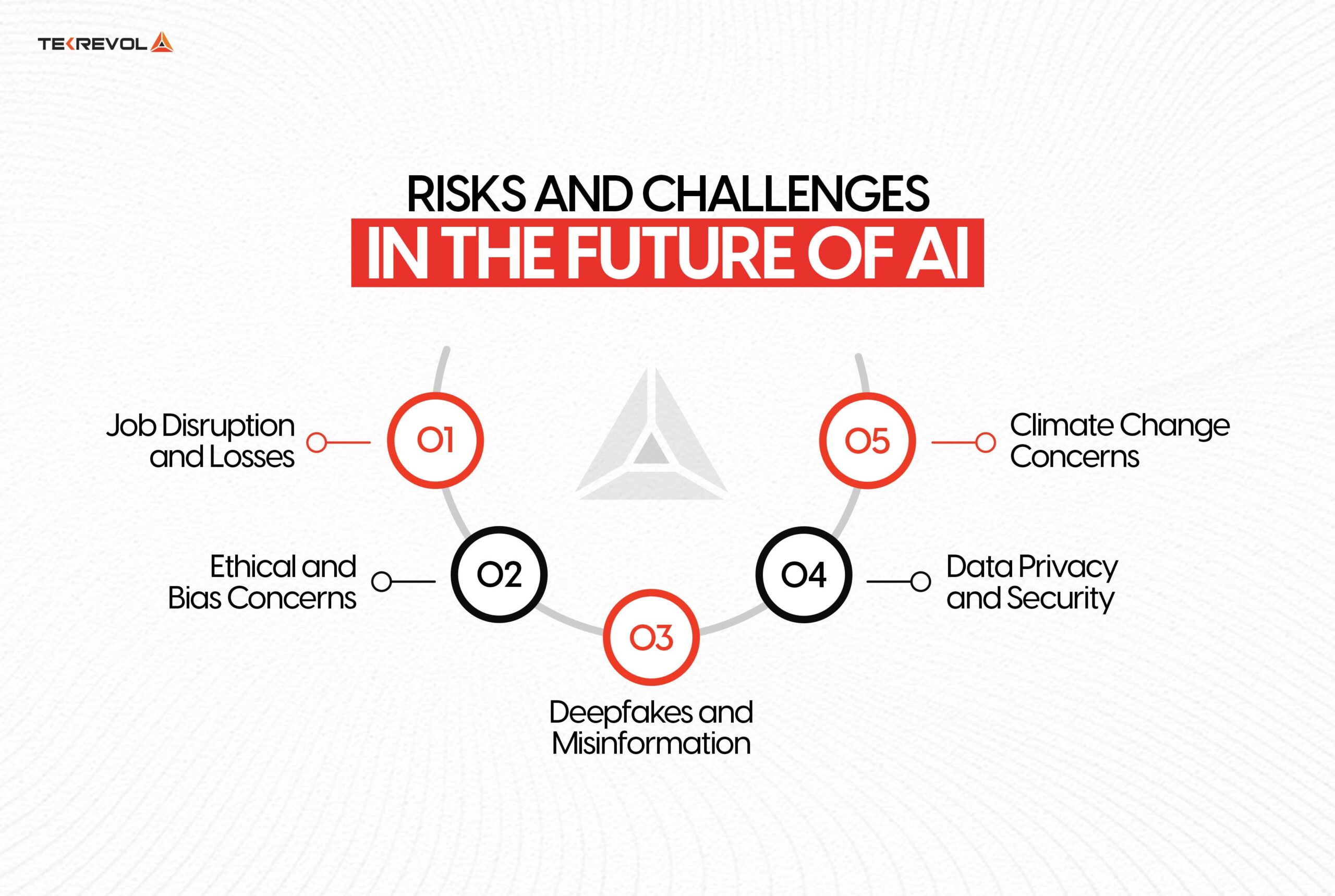
Despite its advantages, AI also raises concerns, including:
-
Job Displacement: Automation may reduce human employment opportunities.
-
Bias and Fairness: AI can reflect human biases present in training data.
-
Privacy Issues: Use of personal data raises ethical concerns.
-
Dependence on Technology: Over-reliance may reduce human critical thinking.
The Future of AI
The future of AI holds immense potential. With advancements in machine learning, deep learning, and natural language processing, AI is expected to become even more integrated into daily life. However, responsible development, ethical guidelines, and strict regulation will be essential to ensure AI benefits humanity without harming society.
Conclusion
Artificial Intelligence is not just a technological trend—it is a revolution shaping the future of the world. While it brings countless opportunities, it also demands responsibility and careful management. With the right balance of innovation and ethics, AI can transform societies, making life easier, smarter, and more efficient.
Also for more alerts and latest news about our website join our whatsapp group : whatsapp chanel group here